The Ultimate Guide to Eco-Friendly Pool Construction and Renovation Dec 20, 2025
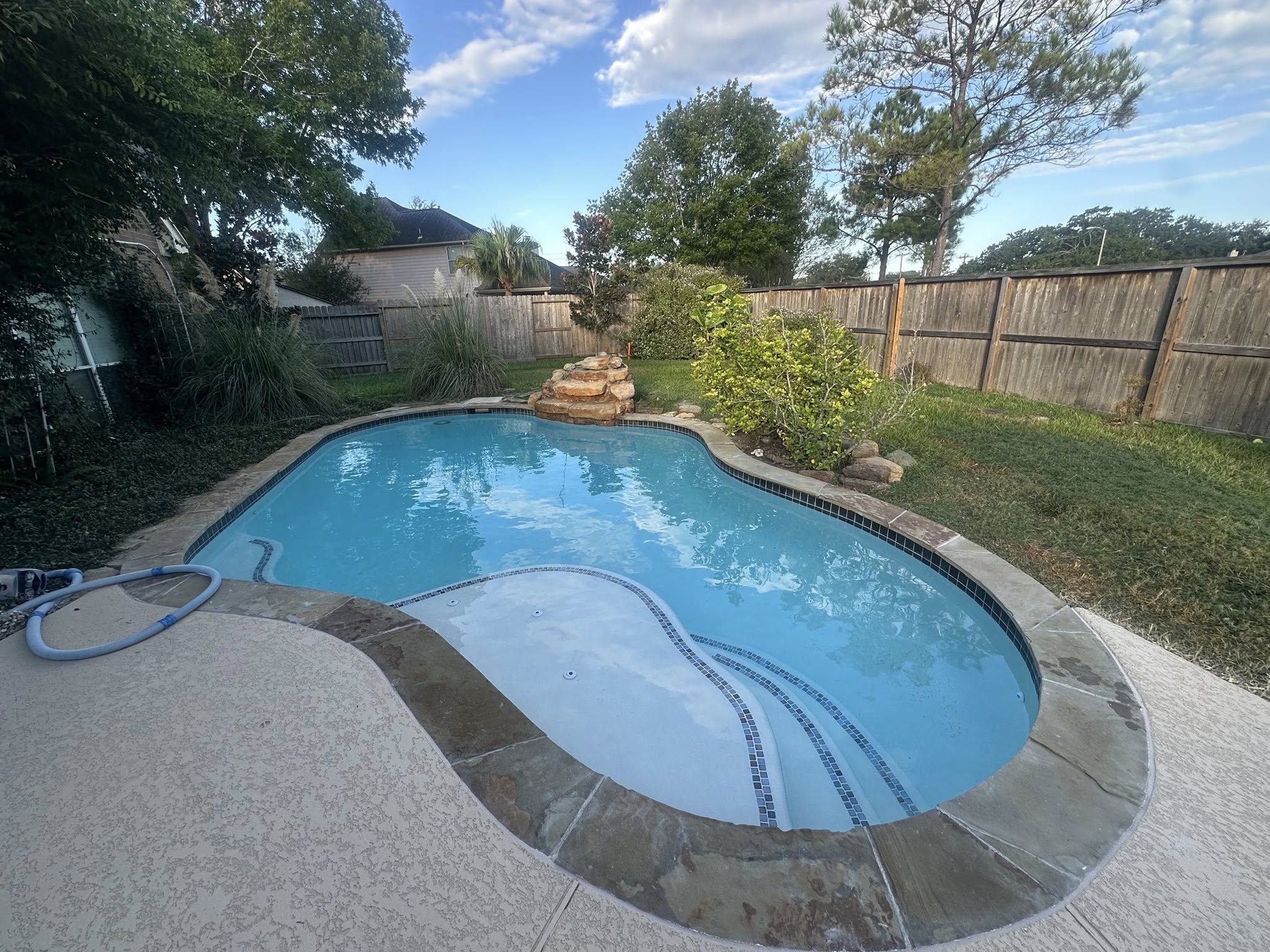
Eco-friendly pools are designed to minimize environmental impacts, lower energy consumption, and reduce water waste, all while maintaining the luxury and enjoyment of traditional pools. The first step towards a green pool is choosing a sustainable design. Consider natural shapes and smaller sizes that blend seamlessly with your landscape, reducing the amount of materials needed. To conserve water, integrate plants and vegetation that naturally absorb and filter pool water into your design. Opt for a natural pool, which uses biological filters and plants for purification instead of chlorine and other chemicals.
Next, focus on energy efficiency. Investing in high-efficiency pool pumps and heaters can significantly reduce your pool's carbon footprint. These pumps operate at lower energy levels but with greater efficacy, resulting in both energy savings and a quieter poolside experience. Solar pool heaters are also an environmentally-friendly option, harnessing the sun's power to maintain comfortable water temperatures without the use of electricity or gas.
Water conservation is another critical aspect of eco-friendly pool construction and renovation. Implementing a pool cover is a simple yet effective strategy to reduce evaporation, keeping water levels stable and reducing the need for frequent refilling. Additionally, consider installing a dual plumbing system to enable the reuse of backwashed water for garden irrigation. Advanced filtration systems that require fewer cleanings and utilize finer filtration materials can also contribute to reducing the water needed for maintaining pool hygiene.
When it comes to selecting materials for your pool, prioritize recycled or sustainable options. Recycled glass tiles and sustainable woods not only enhance the aesthetic appeal of your pool but also adhere to environmentally responsible practices. Similarly, using LED lights instead of traditional incandescent bulbs for pool lighting can decrease energy usage by up to 80%, providing bright illumination while being gentle on the Earth.
Consider also the chemical usage in your pool maintenance routine. Saltwater pools are a popular eco-friendly alternative to traditional chlorinated pools. They generate their own chlorine naturally through the process of electrolysis, resulting in softer water and a more pleasant swimming experience without the harsh chemical effects. Integrating mineral sanitizers that use silver and copper ions to purify water can further reduce chemical reliance.
The initial cost of an eco-friendly pool might be higher, but the long-term savings on energy and water bills, coupled with the positive environmental impact, make it a worthy investment. As you embark on your pool renovation journey with 123 Pool Renovations, remember that every sustainable choice contributes to a greener planet.
In conclusion, building or renovating a pool with eco-friendly practices is a responsible choice that benefits both your family and the environment. By incorporating sustainable designs, energy-efficient systems, water conservation techniques, and responsible material choices, you can create a stunning and eco-conscious pool oasis. At 123 Pool Renovations, our commitment to sustainability means we’re ready to help you every step of the way, ensuring your pool not only enhances your outdoor space but also contributes to a healthier planet.
/filters:no_upscale()/filters:format(webp)/media/ff966c3e-45fc-46af-ae33-9f050ca43f5b.jpg)
/filters:no_upscale()/filters:format(webp)/media/deeee98f-462b-4bb0-9ba3-b6e027eadfe3.jpg)